

From the devastation of the 1994 Genocide against the Tutsi to securing a place on the Formula One calendar, Rwanda’s transformation over the past three decades has been one of the most remarkable stories of national recovery and ambition in modern Africa.
Under President Paul Kagame’s leadership, the country has pursued economic growth, improved public services, expanded infrastructure as well as positioning itself as a destination for international business, tourism and major sporting events.
For many Rwandans, the journey represents resilience, determination and a national commitment to rebuilding a country that had been devastated by violence and division. The announcement on October 13, 2026, that Rwanda will host the Formula 1 African Grand Prix in the early 2030s has become the latest symbol of the country’s growing international profile.
From Liberation to National Reconstruction
The starting point of this transformation was 1994, when the Rwandan Patriotic Front (RPF), led militarily by Kagame, ended the Genocide against the Tutsi. The country faced enormous challenges, including destroyed infrastructure, a shattered economy, displaced populations and deeply wounded communities.
Rebuilding Rwanda required restoring state institutions, public services and national security while addressing the consequences of the genocide. Over the years, the government placed national unity, reconstruction and economic development at the centre of its agenda.
Kagame became President in 2000 after serving as Vice President and Minister of Defence. Since then, his leadership has been closely associated with Rwanda’s development strategy and its ambition to become a competitive, knowledge-based economy.
Economic Growth and Rising International Confidence
Economic expansion has been one of Rwanda’s most significant achievements. According to the World Bank, the country’s gross domestic product grew by an average of 7.4% annually between 2000 and 2023. The economy expanded by 8.9% in 2024 and 9.4% in 2025, reflecting strong activity across several sectors.
The government has sought to attract foreign investment, promote entrepreneurship, expand the services sector and make Rwanda a regional hub for conferences and business.
Kigali has developed into a centre for international meetings, financial services, technology initiatives and major corporate events.
These efforts have helped Rwanda build an international reputation for pursuing long-term development goals. However, sustaining growth while creating enough jobs, reducing poverty and ensuring that the benefits reach all citizens remains an important challenge.
The World Bank has highlighted these issues alongside the country's economic progress.
Healthcare, Education and Human Development
Another important part of Rwanda’s recovery has been the expansion of healthcare and education.
The country has invested in community-based health services, health insurance mechanisms, medical facilities and programmes aimed at improving access to treatment.
The World Bank reports that life expectancy in Rwanda approached 70 years in recent years, a major improvement compared with the devastating conditions that followed the genocide. Its support for Rwanda’s health strategies has also helped strengthen routine healthcare and the capacity to respond to public health emergencies.
In education, Rwanda has expanded access to schooling and pursued reforms intended to equip young people with skills needed in a changing economy. Technology, science, engineering and vocational training have become increasingly important to the country’s development ambitions.
These investments matter because Rwanda’s long-term progress depends not only on buildings and economic statistics, but also on the health, education and opportunities available to its people.
Infrastructure, Technology and Urban Development
Across the country, investment in roads, electricity, public facilities, telecommunications and urban infrastructure has supported Rwanda’s transformation. Kigali, in particular, has become an important centre for business, tourism and international diplomacy.
The government has also promoted digital public services, cashless transactions, technology entrepreneurship and innovation. These initiatives reflect an ambition to reduce barriers to doing business and prepare the country for a more technology-driven global economy.
Yet infrastructure development remains a continuing process. The World Bank notes that gaps in infrastructure, innovation and productivity still constrain Rwanda’s ability to generate sufficient employment and make economic growth more inclusive.
Tourism, Sports and Rwanda’s Global Image
Rwanda has increasingly used tourism and international sports partnerships to attract visitors, investment and global attention.
Its mountain gorillas, national parks, conservation programmes and conference facilities have helped establish tourism as an important part of the national development strategy.
The country has also hosted major sporting competitions and pursued partnerships with prominent international sports organisations. These efforts are intended to promote Rwanda as a destination for visitors, businesses and international events.
Supporters of this strategy argue that global visibility can create opportunities for hotels, restaurants, transport operators, tour companies and other local businesses. The challenge is to ensure that such initiatives generate lasting economic benefits for communities rather than publicity alone.
Formula 1: A New Chapter for Rwanda and Africa
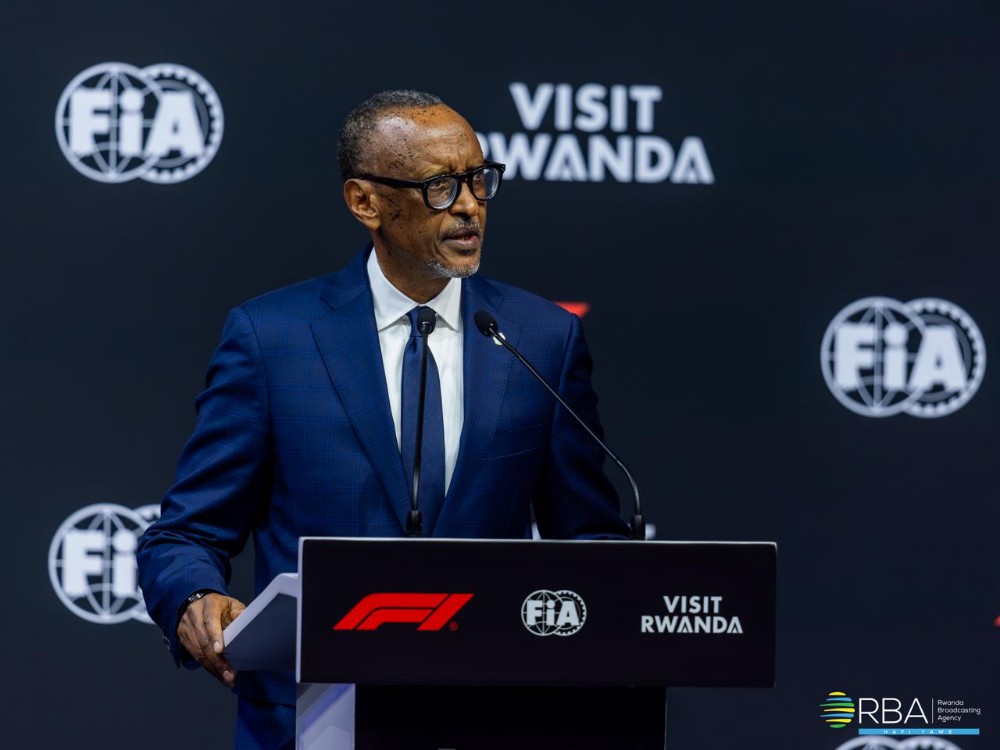
On October 13, 2026, Formula 1 announced a 10-year agreement to bring the African Grand Prix to Rwanda in the early 2030s, marking the championship’s return to Africa for the first time since 1993.
The race is planned for a purpose-built circuit in Bugesera District, approximately 40 kilometres south of Kigali, near the site of a new international airport under construction. The circuit must be completed to the required international standards before Rwanda can host its first race.
The agreement is the culmination of efforts to position Rwanda as a destination for major international sporting events. It also places the country at the centre of Formula 1’s return to a continent with a growing fan base.
For Kagame, the announcement represents an opportunity to connect African audiences and businesses more directly with one of the world's most prominent sporting competitions. The project is expected to create opportunities in tourism, hospitality, construction, transport, technical training and other industries.
The circuit is intended to become more than a venue used for a single race weekend. According to Formula 1, the wider project is designed to support tourism, investment, local talent development and business growth. Whether it delivers these benefits will depend on the project’s execution, costs and long-term economic impact.
A Legacy of Progress, with Work Still Ahead
Rwanda’s journey since 1994 illustrates how a country can rebuild institutions, pursue economic growth and seek a more prominent role on the international stage after a national catastrophe.
Under Kagame’s leadership, the country has made significant advances in economic development, healthcare, infrastructure, technology and international engagement.
Nevertheless, the story is not without complexities. Poverty, employment, inequality and the inclusiveness of economic growth remain important concerns.
Rwanda’s political and human rights record has also attracted criticism from international observers. A comprehensive assessment of its development must consider these challenges alongside its achievements.
The Formula 1 agreement is therefore both a milestone and a test. Its ultimate significance will depend on whether the opportunities it creates translate into sustainable benefits for Rwandans.
From the struggle to end the genocide in 1994 to preparing to welcome the world’s premier motorsport championship, Rwanda has travelled a remarkable distance.
For those who see the country’s progress as a source of national pride, the phrase “With Kagame, Rwanda is always blessed” captures a sense of hope, determination and confidence in the country’s future.
The next chapter will be measured not only by the international events Rwanda hosts, but also by the opportunities, prosperity and quality of life it delivers to its people.